Personal Development Icons for Embroidery Projects
If you're a creative entrepreneur, an Etsy seller, or someone who regularly works with machine embroidery designs, you know that choosing the right graphics can make or break your handmade product. Recently, I had the chance to evaluate PERSONAL DEVELOPMENT ICONS for real-world use and found myself thinking through how they might perform on everything from tote bags to baby clothes. Here’s my honest take as a designer who values practicality and quality in every stitch.
First Impressions: Style and Structure
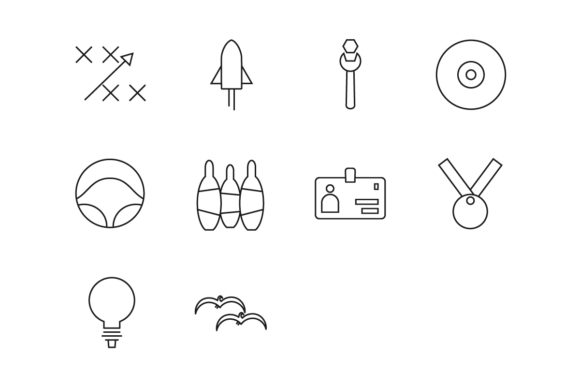
The PERSONAL DEVELOPMENT ICONS set immediately caught my eye with its clean, modern aesthetic. These are not your average generic icons; they feel purposeful and well-intentioned. The theme is motivational and self-improvement focused, which gives them a versatile edge for both personal and commercial embroidery projects. Each icon has a distinct personality while maintaining a cohesive look — something rare in freebie-style design packs.
The layout of the icons is intuitive. They’re organized into categories, making it easy to find what you need quickly. The shapes are simple but expressive, which means they translate well into embroidery without losing their visual impact. Their scalability is a big plus, especially when adapting them to different hoop sizes or garment types.
Visual Mood and Application
What stands out most is the mood these icons create. They’re uplifting, minimalistic, and slightly abstract — perfect for products like custom sweatshirts, personalized gifts, or even nursery decor. For example, if I were designing a tote bag for a boutique wellness shop, these icons could subtly communicate mindfulness, growth, or positivity without being too literal or overwhelming.
I also see potential in using them as embroidered patches for hats or caps. Their structured nature allows for clear lines and consistent stitch flow, which is essential when working with smaller formats. Whether stitched in satin or running stitch, they retain a professional appearance that speaks to quality craftsmanship.
Real-World Performance in Embroidery Projects
In testing these icons across various project types, I noticed they perform best on medium to large surfaces. A sweatshirt or pillow cover gives them room to breathe and show off their details. On the other hand, using them on a small item like a keychain patch requires careful consideration of scale and stitch density.
- Custom Apparel: These icons work beautifully on t-shirts and sweatshirts, especially when paired with minimalist fonts or subtle color schemes.
- Baby Clothes & Gifts: Their soft, geometric shapes are ideal for creating gentle, positive messages on onesies or baby blankets.
- Handmade Tote Bags: Placed centrally or along the strap area, they add a touch of sophistication and meaning to everyday items.
- Patches & Caps: When downscaled correctly, they maintain clarity and can be used as decorative accents on caps or denim jackets.
- Kitchen Towels & Pillows: Satin-stitched versions look elegant and would fit well in a modern home décor line.
- Holiday & Wedding Gifts: The icons can be adapted with seasonal colors or combined with text to create meaningful personalized gifts.
- Etsy Listings & Boutique Branding: As digital embroidery files, they’re great for adding brand consistency across product lines and printable mockups.
Stitch Clarity and Fabric Compatibility
While the PERSONAL DEVELOPMENT ICONS have a strong visual presence, their performance depends heavily on fabric choice. They shine on smooth cotton blends and quilting cotton, where the stitch definition remains crisp. However, on textured or stretchy fabrics like linen or knits, some fine lines may become distorted during stitching. It's always a good idea to test them on scrap fabric first, particularly if you plan to use them on a wide range of materials.
Thread color contrast is another important factor. Since the icons are mostly black-line styled, they benefit from light-colored backgrounds to stand out. If you're planning to use them on darker fabrics, consider using white or cream thread for better visibility. Always review the stitch density before sending the design to the machine — too much density on thin or delicate fabrics can lead to puckering or distortion.
Where Caution Is Advised
Though these icons are impressive in concept, there are scenarios where they should be used carefully:
- Small Hoop Sizes: Details may get lost unless the design is simplified or resized appropriately.
- Curved Surfaces: On items like caps or curved seams, alignment and scaling must be precise to avoid stretching or warping.
- Dense Stitch Areas: Some icons contain intricate fill stitches that might require more time and effort on delicate garments.
- Frequent Washing: Thin or stretchy fabrics used for items like baby clothes or tea towels may wear down over time if not stabilized properly.
It’s worth noting that these are general guidelines, as specific file details like exact stitch counts or machine compatibility aren't provided. As always, confirm the technical specs of any embroidery file before committing to a full production run.
Design Impact on Your Products
Using PERSONAL DEVELOPMENT ICONS can elevate the visual appeal of your finished product. They bring a sense of intentionality and thoughtfulness that resonates with customers looking for more than just decoration — they want meaning. This makes them highly giftable and suitable for branding efforts in a craft business or boutique line.
From a professional standpoint, these icons help maintain brand consistency across multiple items. Whether you're creating a series of embroidered mugs, aprons, or wall art, having a unified style strengthens customer recognition and trust. The subtle yet powerful imagery encourages engagement, especially among audiences interested in personal growth, wellness, and lifestyle design.
Designer Tips for Best Results
As someone who uses embroidery designs daily, here are my top tips for integrating PERSONAL DEVELOPMENT ICONS into your workflow:
- Test on Scrap Fabric: Especially if you're using them on a new material or in a unique placement.
- Check Thread Contrast: Make sure the thread color complements the fabric background for optimal visibility.
- Review Stitch Density: Adjust fill or satin stitch settings depending on the fabric weight and desired outcome.
- Confirm Hoop Size: Don’t assume the design fits a standard hoop — check the recommended size to prevent distortion.
- Inspect Small Details: Look closely at tiny elements like dots or inner linings. They may need simplification for certain applications.
- Use Proper Stabilizer: Especially on stretchy or thin materials, stabilizers are crucial to maintaining shape and clarity.
- Consider Licensing: If you plan to sell finished items or offer digital downloads, ensure the license permits such use.
Practical Use in Digital Product Sales
For digital product sellers, these icons are a valuable addition to your design assets. They can be used in printable mockups to showcase how an embroidered design might look on apparel or accessories. Their structured format also makes them easy to edit, so you can customize them for different clients or occasions. Just remember to test them in black and white versions to ensure they still hold up visually if printed in grayscale.
On dark vs. light fabric comparisons, the icons performed consistently well when using high-contrast threads. But again, this isn’t a one-size-fits-all solution. Every handmade product deserves a tailored approach.
Final Thoughts for the Creative Community
Embroidery is more than just stitching — it's storytelling through texture and detail. PERSONAL DEVELOPMENT ICONS offer that narrative potential with a clean, scalable, and adaptable set of symbols. While they may not be suited for every possible embroidery project, they do have a natural home in many common craft business applications.
Whether you're an experienced embroidery designer or a hobbyist just starting out, these icons provide a solid foundation for thoughtful design choices. They’re part of the Freebies category, which often comes with limitations, but in this case, the quality feels closer to premium. That said, always treat free resources with due diligence — test, tweak, and tailor them to your needs before going to market.
So, if you're looking to inject a bit of inspiration into your next embroidery project, give these icons a try. Just don’t forget to take the time to assess how they’ll behave on your chosen fabric and whether they align with your brand’s visual identity. After all, the best designs are those that speak clearly — both in concept and in stitch.